
Every monitored patient. One clinical view.
VetPilot connects the monitors your hospital already owns into one Central Station covering surgery, ICU, recovery, dental, emergency, and the ward. It builds the anesthesia record automatically from the same live vital signs.
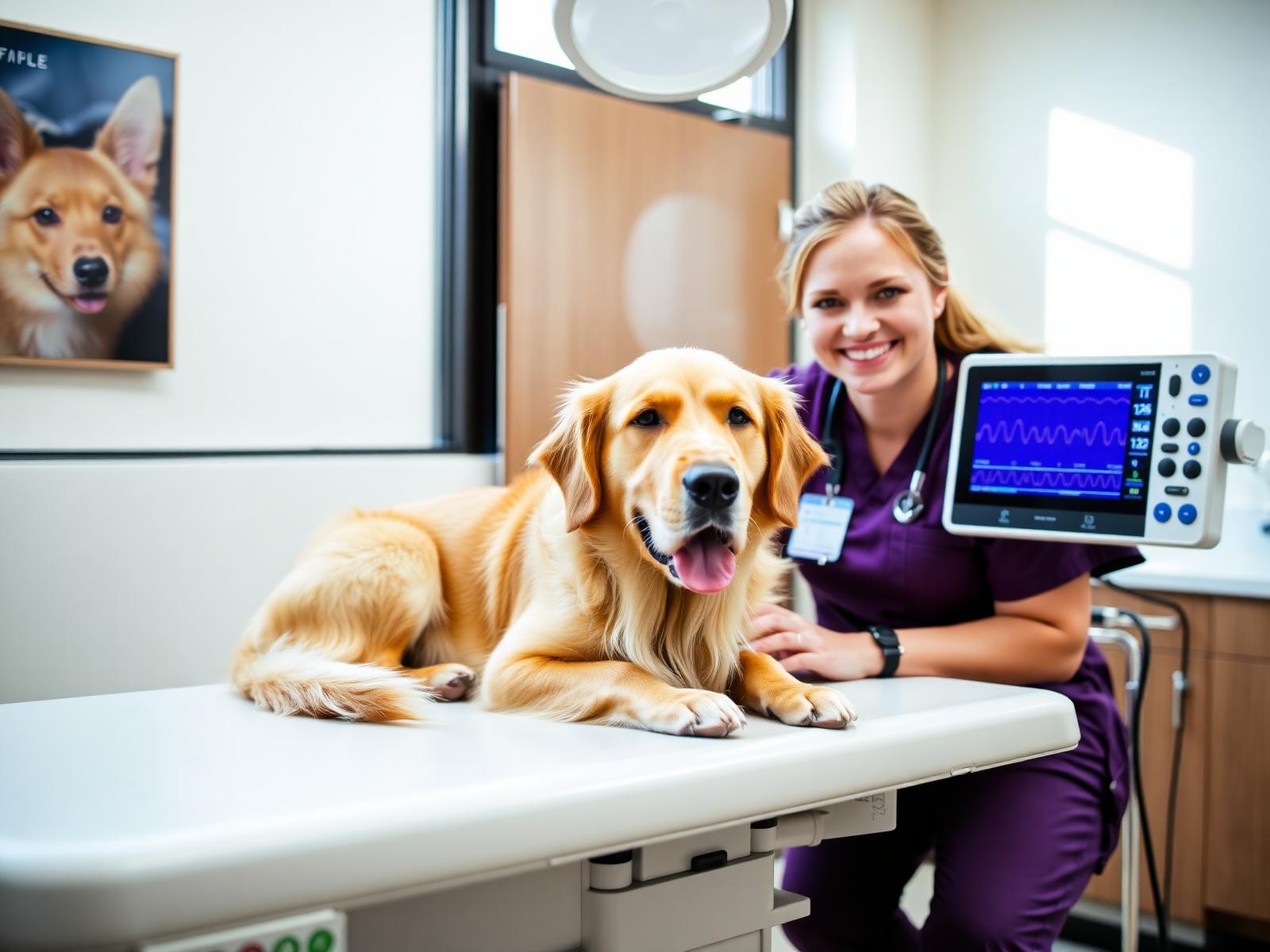
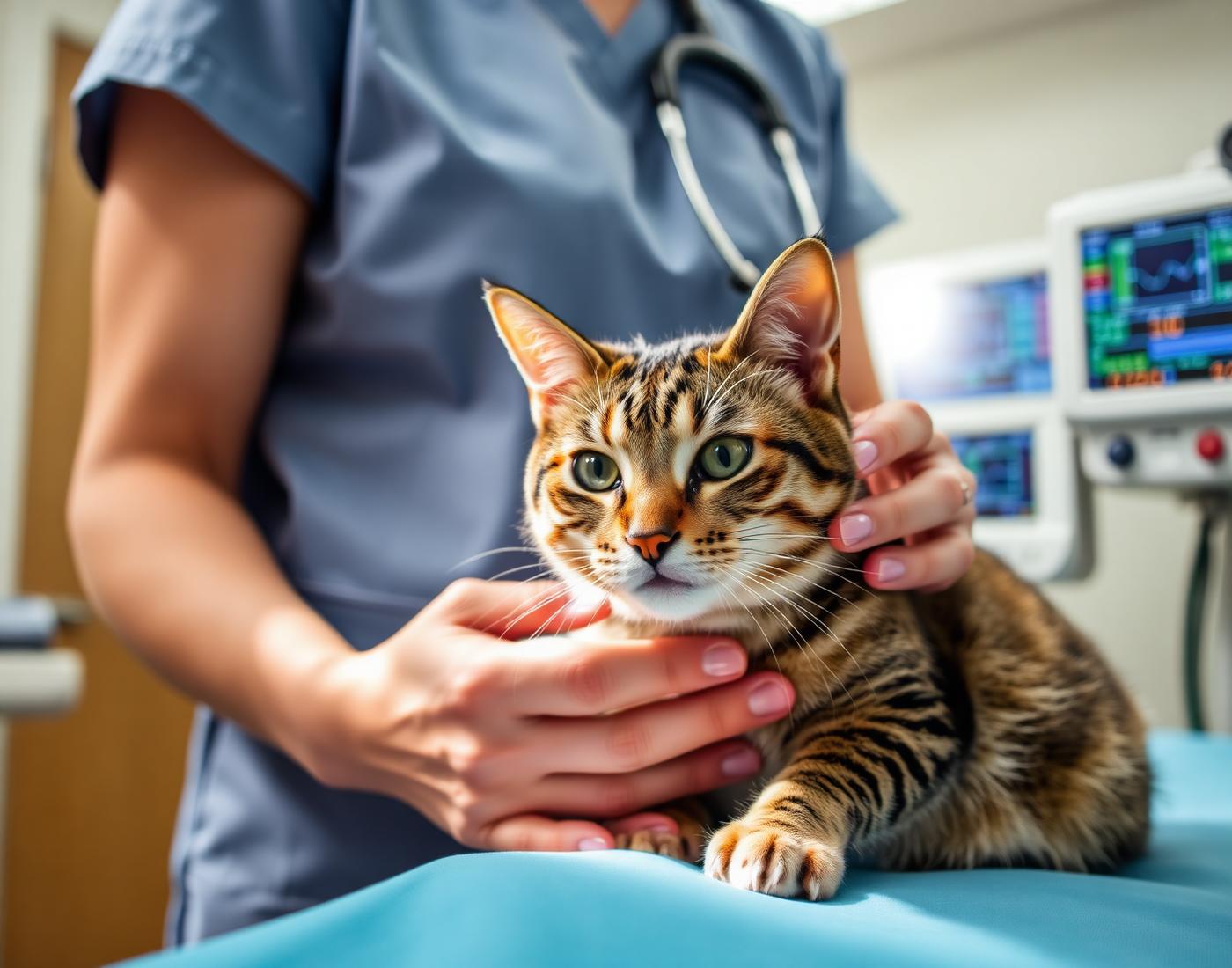
Every monitor has its own screen. No one has the whole picture.
A veterinary hospital's monitors are scattered across surgery, ICU, recovery, and the ward. Each sits on its own screen, watched by whoever happens to be nearby. During anesthesia, someone also has to copy vital signs into the record by hand while managing the patient and the procedure.
- One hospital-wide view instead of walking between monitors
- Fewer numbers to write down by hand during a case
- Records your team can trust after the case
From every monitor to one hospital-wide view
Vitals flow in the background while your team works, and anesthesia records are built wherever a case is running.
Any monitor
The bedside monitors your hospital already owns.
VetPilot connection
Reads vitals in real time, hospital-wide.
Central Station
One live view of every monitored patient, with clear priority levels.
Anesthesia records
Built automatically for cases running on the same platform.
See the whole hospital at once, from the monitors you already have
One view of every monitored patient
Surgery, ICU, recovery, dental, emergency, and the ward, side by side.
Priority levels with a stated reason
Every patient reads Stable, Watch, Warning, or Critical, and the reason is shown.
Live trends, hospital-wide
See how any patient is trending from anywhere in the hospital.
Automatic anesthesia records
Complete, timestamped records built from the vitals already flowing in.
Works with existing equipment
Use the monitors already available in your hospital.
A vendor-neutral device layer
Veterinary hospitals use many different monitor brands and models, often several at once. VetPilot's device layer is being designed so new monitor adapters can be added over time, without changing how your team uses the Central Station.
Contact us to discuss your monitor setup
Open any patient into the anesthesia module
From the Central Station, a technician opens a patient straight into vitals, medications, and events on one timeline.
We started with anesthesia. It's now one module on a hospital-wide platform.
The Central Station already covers surgery, ICU, recovery, dental, emergency, and the ward, with automatic anesthesia records as the first complete workflow built on top. Next: more monitor integrations and remote clinical oversight.
Help shape a device-data platform for veterinary hospitals
We are working with veterinary hospitals that want one clear view of every monitored patient and less manual charting during anesthesia, using the monitors they already own.
- Hands-on setup with our team
- Direct line to the founders
- Your feedback sets the roadmap